Loading...
New: maternity care deserts now cover more than a third of U.S. counties • New: maternity care deserts now cover more than a third of U.S. counties •
Changing the future of women's health.
Evidence-based research summaries and free clinical calculators. Every figure is cited to its primary source.
The library at a glance
82
Research Summaries
849
Primary-Source Citations
129
Source Organisations
Advancing women's health through rigorous science.
The Women's Health Association publishes research summaries on risk factors, prevention, and early detection, each one sourced to the studies and federal data behind it.

25+
Years of clinical research
Health tools
Free calculators for period prediction, ovulation timing, cycle analysis, and IVF due dates.
Period Calculator
Predict your next period with clinical accuracy using your unique cycle history.
Access Tool
Ovulation Calculator
Identify your fertile window to maximize or minimize conception chances.
Access Tool
Late Period Calculator
Understand delayed cycles through a guided, medically-reviewed assessment.
Access Tool
Cycle Length Calculator
Track and analyze patterns to identify irregularities early.
Access Tool
Implantation Calculator
Estimate conception timing based on precise physiological windows.
Access Tool
IVF Due Date Calculator
Specialized calculation for IVF pregnancies tailored to transfer type.
Access Tool
Expert Insights
Medically reviewed articles on complex health topics.

Reproductive Health
Abortion access and travel distance statistics: how far U.S. patients travel after Dobbs
Mean travel time to the nearest abortion facility rose from 27.8 to 100.4 minutes after Dobbs. Here is the confirmed data on state bans, out-of-state travel volume, clinic closures, and the share of care delivered by telehealth.

Dr. Sarah Jenkins 14 min read

Mental Health
ADHD in women and girls statistics: the late-diagnosis gap in plain numbers
Girls are diagnosed with ADHD at roughly half the rate of boys, yet more than half of U.S. adults with ADHD were first diagnosed at 18 or older. Here is the CDC, NCHS, and peer-reviewed data on sex gaps, adult diagnosis, age at identification, presentation differences, stimulant shortages, and comorbidity.
Dr. Sarah Jenkins 14 min read

Chronic Conditions
Alzheimer's dementia statistics in women: why two-thirds of patients are female
Almost two-thirds of Americans with Alzheimer's are women. Lifetime risk at 45 is about 1 in 5 for women versus 1 in 10 for men. Here is what the data says about prevalence, caregiving, APOE4, diagnosis delays, and cost of care.
Dr. Sarah Jenkins 12 min read

Mental Health
Autism in women and girls: the underdiagnosis numbers behind the sex ratio
CDC data put the boy-to-girl autism ratio at 3.4 to 1. Careful population screening narrows it toward 3 to 1. Age at diagnosis, camouflaging scores, co-occurring conditions, and misdiagnosis patterns explain why so many autistic girls and women are still missed.
Dr. Sarah Jenkins 14 min read

Gynecology
Bacterial vaginosis statistics: how common it is, how often it returns, and what the partner-treatment trial found
Nearly 1 in 3 U.S. women of reproductive age has bacterial vaginosis. Most have no symptoms. More than half relapse within a year after standard treatment. A 2025 NEJM trial cut 12-week recurrence from 63% to 35% by treating male partners.
Dr. Sarah Jenkins 14 min read

Pregnancy
Black maternal health disparities statistics: why the mortality gap survives education and income
In 2024, Black women died of maternal causes at 44.8 per 100,000 live births versus 14.2 for white women. College education does not close the gap. Preterm birth, severe maternal morbidity, and the interventions with measured effect.
Dr. Sarah Jenkins 14 min read

Pregnancy & Maternal
Breastfeeding and lactation support statistics: what happens after the hospital discharge
86.1% of American babies are breastfed at least once. Fewer than 1 in 3 are still exclusively breastfed at 6 months. The data on where that gap opens: the first 48 hours, the lactation workforce, Medicaid coverage, and a 22-point spread between states.
Dr. Sarah Jenkins 12 min read

Pregnancy
Cesarean section rates statistics: the national number and the hospital variation behind it
32.4% of U.S. births were by cesarean in 2024, according to CDC final data. Here is what the latest numbers show on low-risk NTSV rates, hospital variation, VBAC access, racial disparities, and cost.
Dr. Sarah Jenkins 14 min read

Cancer
Early-onset colorectal cancer statistics: the under-50 rise clinicians keep missing
An estimated 11,970 U.S. women under 50 will be diagnosed with colorectal cancer in 2026. Incidence ages 20-49 is rising 3% a year, three in four young patients present with advanced disease, and screening now starts at 45. With uptake still stuck at 37% in the new age band.
Dr. Sarah Jenkins 14 min read

Reproductive Health
Contraception access statistics: unintended pregnancy and the gaps that remain
41.6% of U.S. pregnancies were unintended in 2019, and more than 19 million women who need publicly funded contraception live in contraceptive deserts. Here is the latest data on method use, cost, OTC pills, failure rates, and Title X capacity.
Dr. Sarah Jenkins 15 min read

Healthcare Access
Disability and women's healthcare access statistics: the screening, equipment, and maternal gaps that keep showing up
Women with disabilities are less likely to get mammograms and Pap tests, more likely to face inaccessible exam rooms, and in one NIH multi-hospital analysis faced 11 times the risk of maternal death. The equipment, training, and screening numbers in one place.
Dr. Sarah Jenkins 13 min read

Pregnancy
Doula and midwifery care statistics: birth outcomes, workforce gaps, and Medicaid coverage
Midwives attended about 12% of U.S. births in 2021, and 26 states plus D.C. now reimburse doulas through Medicaid. Here is what the data show on cesarean rates, preterm birth, breastfeeding, cost savings, and how the U.S. midwifery workforce compares internationally.
Dr. Sarah Jenkins 14 min read

Mental Health
Eating disorders in women statistics: prevalence, mortality, treatment gap
Among U.S. women, lifetime rates are about 0.9% for anorexia, 1.5% for bulimia, and 3.5% for binge eating disorder. Here is what the data show on mortality, treatment access, pregnancy, midlife, cost, and who gets missed.
Dr. Sarah Jenkins 13 min read

Pregnancy
Ectopic pregnancy statistics: how common it is, how it is treated, and who dies
About 1% to 2% of U.S. pregnancies are ectopic, yet they account for roughly 3% to 4% of pregnancy-related deaths. The data on prevalence, methotrexate versus surgery, diagnosis timing, and a Black-white mortality gap that has not closed.
Dr. Sarah Jenkins 12 min read

Fertility
Egg freezing statistics: how many cycles, what age, and who ever uses the eggs
U.S. clinics reported 38,126 egg-freezing cycles in 2023, more than double 2020 volume. Only 2.5% of planned freezers later used their eggs in national SART data. Here are the primary numbers on age, thaw outcomes, cost, and employer coverage.
Dr. Sarah Jenkins 13 min read

Sports Medicine
Female athlete health statistics: ACL risk, RED-S, and the sports science research gap
Female athletes tear ACLs at 3 times the rate of males in contact sports, face roughly double the stress-fracture rate in NCAA play, and still make up under half of sports-science research participants. Primary sources on RED-S, concussion, and the sex data gap.
Dr. Sarah Jenkins 14 min read

Chronic Conditions
Fibromyalgia statistics: four million U.S. adults and the multi-year wait for a diagnosis
Fibromyalgia affects about 4 million U.S. adults (roughly 2%). Women are about twice as likely to have it as men, diagnosis often takes years, and population surveys show most people who meet symptom criteria never receive the clinical label.
Dr. Sarah Jenkins 13 min read

Healthcare Access
Women physicians and the gender pay gap: why a majority pipeline still produces unequal pay
Women are 54.9% of U.S. medical students and 38.7% of active physicians, yet the adjusted physician pay gap returned to 26% in 2024. AAMC workforce data, Doximity compensation figures, and career-earnings research on specialty mix, leadership, full-professor rank, attrition, and burnout.
Dr. Sarah Jenkins 13 min read

Pregnancy
Hyperemesis gravidarum statistics: prevalence, recurrence, and the GDF15 finding
Hyperemesis gravidarum affects roughly 0.3% to 3% of pregnancies and is a leading cause of early pregnancy hospitalization. Recurrence after a prior admission can exceed 80%, and a 2023 Nature study tied the condition to fetal GDF15 and maternal sensitivity to that hormone.
Dr. Sarah Jenkins 14 min read

Gynecology
Hysterectomy rates statistics: how often the uterus is removed in the U.S., and why the number keeps falling
About 14.6% of U.S. women age 18 and older have had a hysterectomy. Annual rates for benign disease sit near 5 per 1,000 eligible women and have fallen for decades, while most procedures now use a minimally invasive route. Federal and peer-reviewed numbers on volume, indications, age, region, and route.
Dr. Sarah Jenkins 12 min read

Healthcare Access
Immigrant women's healthcare access statistics: uninsured rates, delayed prenatal care, and the chilling effect of enforcement
Nearly half of likely undocumented immigrant adults are uninsured. First-trimester prenatal care has fallen to 75.5% nationally. Language barriers, Emergency Medicaid for delivery, and chilling-effect research: the citable numbers in one place.
Dr. Sarah Jenkins 13 min read

Fertility
Infertility and IVF statistics: what the numbers say about success rates and who can afford treatment
About 1 in 5 married US women with no prior births cannot get pregnant after a year of trying, and US clinics ran 435,426 IVF cycles in a single year. Here is what CDC, WHO, and KFF data show about causes, success rates by age, what a cycle really costs, and who is actually covered.
Dr. Sarah Jenkins 14 min read

Mental Health
Intimate partner violence statistics: prevalence, pregnancy risk, and maternal homicide
More than 1 in 3 U.S. women experience contact sexual violence, physical violence, or stalking by an intimate partner. Here is what CDC, PRAMS, and maternal mortality data show about pregnancy risk, health harm, screening gaps, and cost.
Dr. Sarah Jenkins 14 min read

Healthcare Access
LGBTQ+ women's health disparities: screening gaps, coverage divides, and the mental health toll
More than half of bisexual women had any mental illness in the past year. Lesbian and bisexual women lag on cervical screening, rely more heavily on Medicaid, and report twice the rate of unfair treatment by providers. The primary sources, side by side.
Dr. Sarah Jenkins 14 min read

Chronic Conditions
Long COVID statistics in women: the sex disparity in post-COVID illness
Women are nearly twice as likely as men to report current long COVID (4.4% vs 2.3% of U.S. adults in 2022). Here is what the latest surveillance data shows on prevalence, symptoms, ME/CFS and POTS overlap, employment impact, and diagnostic delays.
Dr. Sarah Jenkins 15 min read

Cancer
Lung cancer in women statistics: never-smokers, younger-age crossover, and screening gaps
In 2025, ACS projects 115,970 new lung cancer cases in U.S. women, more than in men. Incidence under age 65 has already crossed over, never-smokers account for a larger share of cases in women, and only about 1 in 5 eligible adults is screened.
Dr. Sarah Jenkins 14 min read

Chronic Conditions
Lupus in women: a 9-to-1 disease with a long diagnostic delay
Nine in 10 people with lupus are women. CDC registry data put U.S. SLE at about 204,000 cases, with Black women carrying nearly triple the prevalence of white women, multi-year diagnostic delays, and kidney involvement in roughly 4 in 10 patients.
Dr. Sarah Jenkins 14 min read

Pregnancy & Maternal
Maternity care deserts: 1 in 3 U.S. counties has no obstetric clinician at all
More than a third of U.S. counties have no birthing facility and no obstetric clinician. Here is what the data on hospital closures, the OB-GYN workforce shortage, drive times, and maternal death tells us about where American women can still give birth.
Dr. Sarah Jenkins 14 min read

Chronic Conditions
ME/CFS statistics in women: prevalence, undiagnosed majority, and funding shortfall
In 2021-2022, 1.7% of U.S. adult women had ME/CFS versus 0.9% of men (NCHS). About 9 in 10 people with the illness are undiagnosed, post-COVID estimates revise the count upward, and NIH funding remains under 1% of disability-commensurate levels.
Dr. Sarah Jenkins 14 min read

Healthcare Access
Medical gaslighting and diagnostic delay statistics: how long women wait to be believed
29% of U.S. women say a doctor dismissed their concerns. Endometriosis averages 4.4 years to diagnosis in U.S. surveys. Heart-attack misdiagnosis risk is about 50% higher for women. The citable numbers on dismissed symptoms, sex differences in time-to-diagnosis, and misdiagnosis rates.
Dr. Sarah Jenkins 14 min read

Menopause
Menopause in the workplace statistics: lost productivity and the cost of untreated symptoms
Mayo Clinic research estimates $1.8 billion a year in lost U.S. work time from menopause symptoms, rising to $26.6 billion when medical costs are included. Here is what the data show on workforce share, absenteeism, accommodations, and the treatment gap.
Dr. Sarah Jenkins 14 min read

Reproductive Health
Menstrual cycle app data privacy statistics: who tracks, what gets shared, and how often predictions miss
Nearly 1 in 3 U.S. women track fertility or periods digitally, yet audits find most popular women's mHealth apps share data with third parties. Primary figures on usage, privacy audits, prediction accuracy, FTC actions, and user trust.
Dr. Sarah Jenkins 13 min read

Chronic Conditions
Migraine in women statistics: the 3-to-1 sex gap in numbers
Migraine affects roughly 17% of U.S. women versus about 6% of men, ranks first among causes of disability for young women worldwide, and is still widely undertreated. Here is what the latest prevalence, hormonal, stroke-risk, and CGRP-era data show.
Dr. Sarah Jenkins 13 min read

Pregnancy & Maternal
Miscarriage and pregnancy loss statistics: how common it is and why most people underestimate it
Miscarriage ends 15.3% of recognized pregnancies worldwide, yet 55% of Americans believe it happens in 5% or less. Here is what the data shows about timing, maternal age, recurrence, chromosomal causes, mental health after loss, and stillbirth.
Dr. Sarah Jenkins 14 min read

Chronic Conditions
Multiple sclerosis in women: the sex ratio, pregnancy relapses, and prevalence gap
U.S. MS prevalence is 450.1 per 100,000 in women versus 159.7 in men (ratio 2.8). The female excess has widened over decades, pregnancy suppresses relapses, and men still accumulate disability faster once diagnosed.
Dr. Sarah Jenkins 14 min read

Cancer
Ovarian and endometrial cancer statistics: rising uterine cancer rates and survival gaps in numbers
In 2025, an estimated 69,120 U.S. women will be diagnosed with uterine corpus cancer and 20,890 with ovarian cancer. Here is what the latest data on incidence, stage survival, missing screening tools, genetic risk, and racial disparities show.
Dr. Sarah Jenkins 15 min read

Reproductive Health
Period poverty statistics: who cannot afford menstrual products and what the law is changing
Nearly 1 in 4 U.S. teens still struggle to afford period products, and 64% of low-income women in a landmark St. Louis study could not buy supplies in the prior year. Here are the prevalence, absenteeism, tax, and free-product figures reporters quote.
Dr. Sarah Jenkins 14 min read

Mental Health
PMDD and severe PMS statistics: how common it is, how long diagnosis takes, and what impairment and suicide data show
Confirmed community PMDD sits near 1.6%, not the 5-8% provisional figures still common in handouts. PMS affects about half of reproductive-age women in pooled surveys. Here is the citable data on prevalence, diagnostic delay, work impairment, suicidality, and SSRI response.
Dr. Sarah Jenkins 14 min read

Mental Health
Postpartum anxiety statistics: how often it shows up, how often we miss it
About 1 in 5 perinatal women meet criteria for an anxiety disorder, and roughly 15% report significant anxiety symptoms after birth. Postpartum anxiety is as common as depression, frequently co-occurs with it, and is far less systematically screened.
Dr. Sarah Jenkins 12 min read

Pregnancy
Postpartum Medicaid coverage statistics: how many births, how many states, and who lost coverage at 60 days
Medicaid paid for 40.2% of U.S. births in 2024. Before the 12-month extension, 40% of Medicaid enrollees with a live birth were disenrolled within a year. As of July 2026, 49 states and D.C. have implemented extended postpartum coverage. The citable numbers for reporters on deadline.
Dr. Sarah Jenkins 13 min read

Pregnancy
Prenatal genetic screening statistics: what a high-risk cell-free DNA result actually means
Cell-free DNA detects more than 99% of trisomy 21 cases at a 0.04% false-positive rate. Positive predictive value still drops with rarity and younger age: about 68% at age 20 for Down syndrome, and as low as 0-21% for many microdeletion panels.
Dr. Sarah Jenkins 14 min read

Pregnancy
Preterm birth statistics: why 1 in 10 U.S. babies still arrive too early
The U.S. preterm birth rate was 10.41% in 2024, unchanged from 2023, and the March of Dimes graded the nation D+ for a fourth straight year. Late-preterm shares, racial gaps, NICU use, costs, and long-term outcomes, each with the primary source named next to the number.
Dr. Sarah Jenkins 14 min read

Healthcare Access
Rural women's health statistics: six in 10 rural counties have no hospital obstetric unit
60% of rural U.S. counties have no hospital-based obstetric services. The data on rural-urban gaps in maternal mortality, obstetric unit closures, travel distance, cervical cancer, broadband, and the OB-GYN workforce, with the primary source next to each figure.
Dr. Sarah Jenkins 14 min read

Pregnancy
Severe maternal morbidity statistics: the near-misses that outnumber maternal death roughly 80 to 1
About 140 of every 10,000 U.S. delivery hospitalizations involve severe maternal morbidity. Roughly 50,000-60,000 women a year experience a near-miss. Here is the rate, the most common indicators, the racial and insurance gaps, and how hospital performance varies.
Dr. Sarah Jenkins 14 min read

Chronic Conditions
Stroke in women statistics: lifetime risk, pregnancy factors, and why more women die
1 in 5 U.S. women between 55 and 75 will have a stroke. Women account for most stroke deaths, present older at first stroke, and leave the hospital more disabled. The numbers on lifetime risk, pregnancy, atrial fibrillation, and outcomes.
Dr. Sarah Jenkins 14 min read

Reproductive Health
Teen pregnancy and birth rate statistics: the long decline and the gaps that remain
The U.S. teen birth rate hit a record low of 13.1 births per 1,000 females ages 15-19 in 2023, down 79% from the 1991 peak. Rates still differ more than fivefold by state and more than tenfold by race and ethnicity.
Dr. Sarah Jenkins 14 min read

Cancer
Thyroid cancer overdiagnosis statistics: why women's diagnoses rose while death rates stayed flat
U.S. women are diagnosed with thyroid cancer at about 3.5 times the rate of men, yet the death rate has stayed near 0.5 per 100,000 for decades. Modeling puts overdiagnosis of papillary thyroid cancer in women at 75%-95%. The citable numbers on incidence, mortality, screening, and guideline change.
Dr. Sarah Jenkins 14 min read

Gynecology
Uterine fibroids statistics: how common they are by age 50, and why Black women carry the heaviest load
By age 50, more than 80% of Black women and nearly 70% of white women have ultrasound evidence of uterine fibroids. The data on symptom burden, hysterectomy share, uterine-sparing uptake, diagnostic delay, and a U.S. cost that still runs into the tens of billions.
Dr. Sarah Jenkins 13 min read

Mental Health
Women and alcohol use statistics: the closing sex gap and what it costs
In 2024, 10.7 million U.S. women met criteria for alcohol use disorder and 25.2 million binge drank in the past month. Among young adults 18-25, women now match or slightly exceed men on binge drinking. Deaths, liver disease, breast cancer risk, and pregnancy exposure are rising with that convergence.
Dr. Sarah Jenkins 14 min read

Women's Health Research
Women in clinical trials statistics: the research funding gap that still shapes care
Women still make up only about 41% of participants in major U.S. drug and device trials, and NIH funding often underweights conditions that predominantly affect women. Here is what the data show on enrollment, sex-stratified reporting, funding gaps, and adverse drug reactions.
Dr. Sarah Jenkins 14 min read

Healthcare Access
Women's health insurance coverage gaps statistics: who still lacks coverage and what it costs them
In 2024, 1 in 10 U.S. women ages 19-64 (9.8 million) had no health insurance. Women of reproductive age were uninsured at 11%. Here are the citable numbers on uninsured rates by state and Medicaid expansion, cost-related care avoidance, medical debt, and coverage churn.
Dr. Sarah Jenkins 14 min read

Chronic Conditions
Heart attack misdiagnosis in women: how often the first call is wrong
Women with STEMI have a 59% greater chance of initial misdiagnosis than men. Young women under 55 with acute cardiac ischemia face 6.7-fold higher odds of being sent home from the ER. SCAD causes up to 35% of heart attacks in women 50 and under. The citable numbers on missed MI, atypical presentation, treatment delays, and post-MI outcome gaps.
Dr. Sarah Jenkins 14 min read

Mental Health
Women and substance use disorder statistics: overdose rates, pregnancy treatment gaps, and medication access
The age-adjusted drug overdose death rate among U.S. women fell 23% from 2023 to 2024, to 14.1 per 100,000. Only 39.5% of women who received any opioid use disorder treatment got medication. Pregnancy data, prescription pathways, and custody stigma, with sources named next to every number.
Dr. Sarah Jenkins 14 min read

Healthcare Access
Women veterans' health statistics: who they are, what VA tracks, and where gaps remain
More than 2.1 million women Veterans live in the U.S., about 1 in 3 who use VA care disclose military sexual trauma, and pregnancies among VA-using women rose more than 80% from 2014 to 2022. Citable figures on population growth, enrollment, maternity care, and mental health.
Dr. Sarah Jenkins 14 min read

Healthcare Access
Women's caregiving burden statistics: unpaid hours, economic value, and health costs
61% of U.S. family caregivers of adults are women. They average 27 hours of care a week, and AARP values that unpaid work at $1.01 trillion in 2024. Hours, sandwich-generation share, workplace costs, and caregiver health, with the primary source next to each number.
Dr. Sarah Jenkins 14 min read

Healthcare Access
Women's pain undertreatment statistics: why the same score gets less relief
In ED data spanning two countries, women with pain complaints were less likely than men to leave with an analgesic prescription (38% vs. 47% in a two-campus Israeli series). They waited longer, their pain scores were recorded less often, and IUD insertion pain was long treated as optional. The citable numbers behind a live clinical story.
Dr. Sarah Jenkins 14 min read
Chronic Conditions
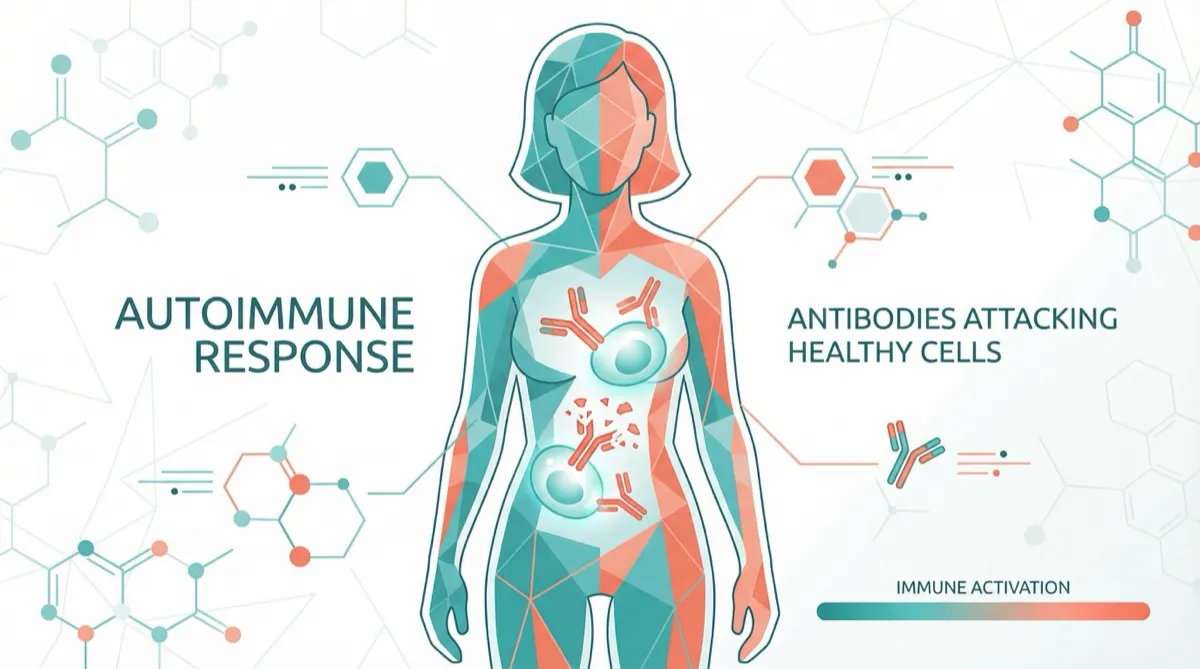
Autoimmune disease in women: why 80% of patients are female
Nearly 80% of autoimmune disease patients are women, and the average diagnosis takes 4.6 years. Here is what the data shows about lupus, MS, Hashimoto's, and the $100 billion annual cost burden.

Dr. Elena Rostova 14 min read
Women's Wellness
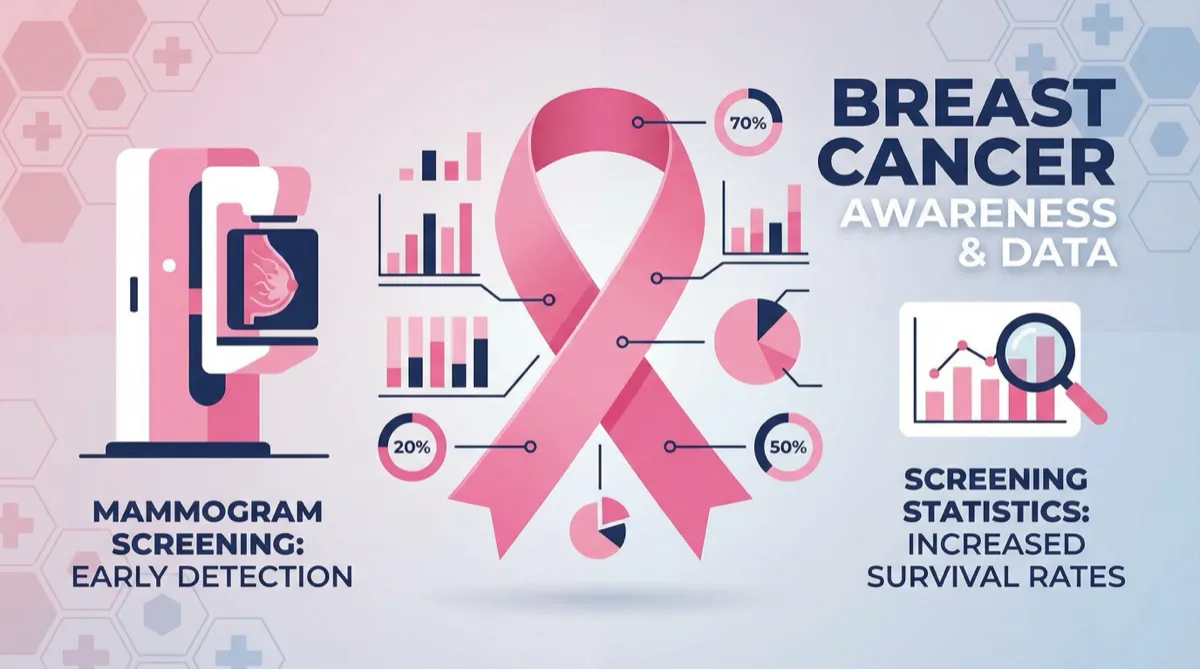
Breast cancer screening statistics: what the survival data actually tells us
The 5-year survival rate for breast cancer caught early is 99%. Caught late, it drops to 31%. Here is what the latest screening, incidence, and disparity data tells us about where we stand and what still needs to change.
Dr. Emily Chen 13 min read
Cancer Prevention
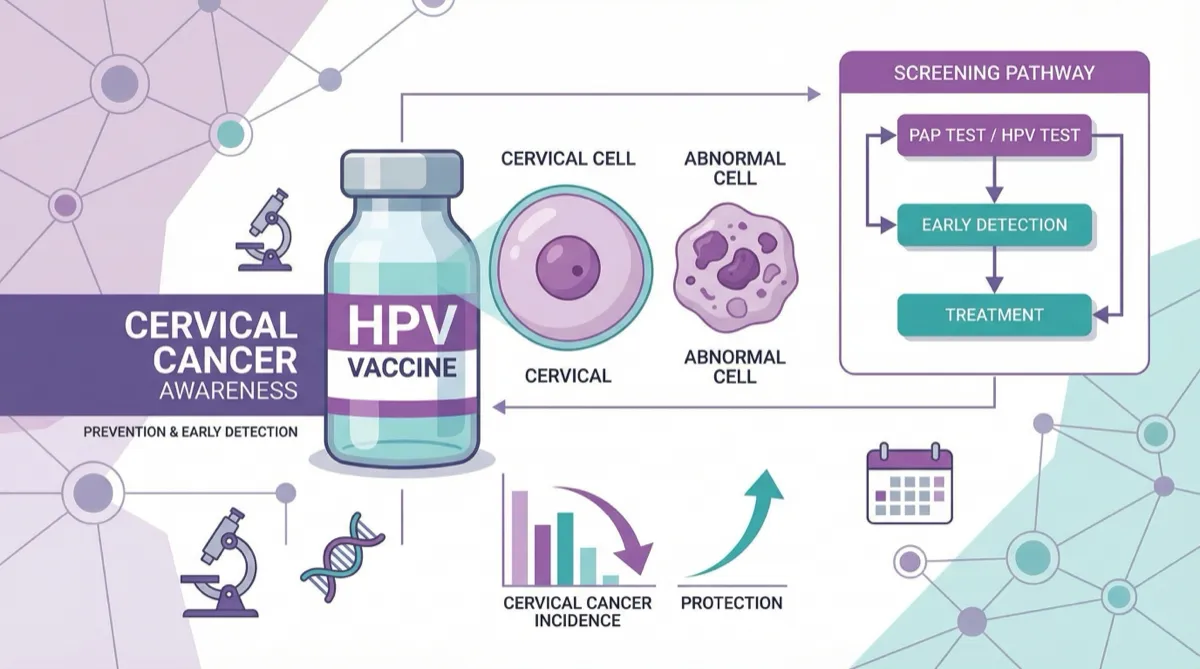
Cervical cancer and HPV: what the screening and vaccination statistics tell us
HPV causes 99% of cervical cancers, and the HPV vaccine reduces cervical cancer risk by 87% in vaccinated women. Here is what the latest data says about screening, vaccination rates, and the WHO's elimination target.
Dr. Sarah Jenkins 13 min read
Chronic Conditions
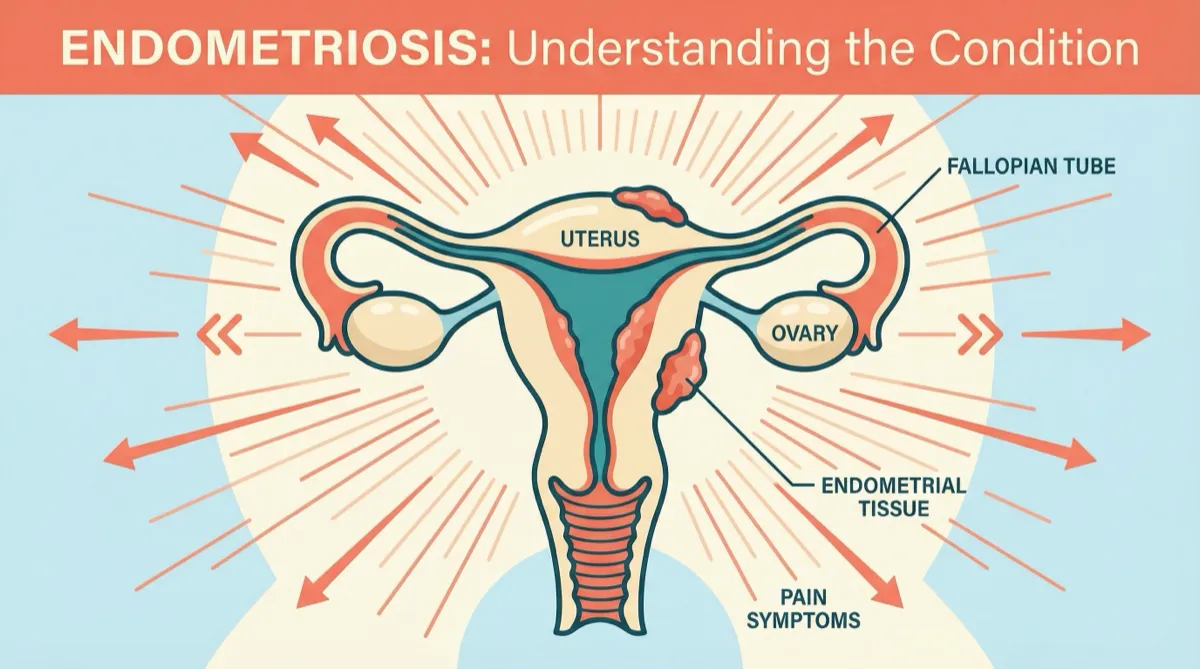
Endometriosis statistics: what the numbers say about diagnosis, treatment, and the funding gap
About 190 million women worldwide have endometriosis, but the average patient waits 4 to 11 years for a diagnosis. Here is what the latest research data tells us about who gets endometriosis, how it is treated, and why it remains chronically underfunded.
Dr. Sarah Jenkins 14 min read
Reproductive Health
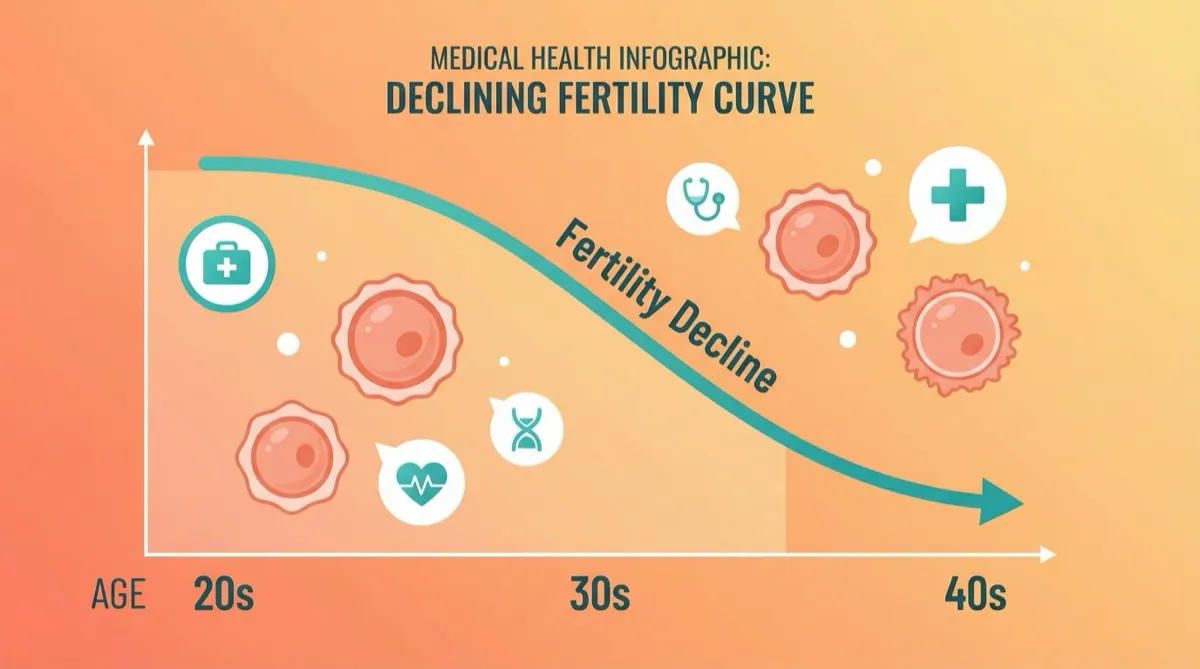
Fertility and age: what the statistics say about reproductive timelines
Peak fertility occurs between ages 20 and 24, and by 40 the chance of conception per cycle drops to about 5%. Here is what CDC, WHO, and clinical data tell us about age-related fertility decline, egg freezing, and IVF outcomes.
Dr. Elena Rostova 13 min read
Pregnancy & Maternal
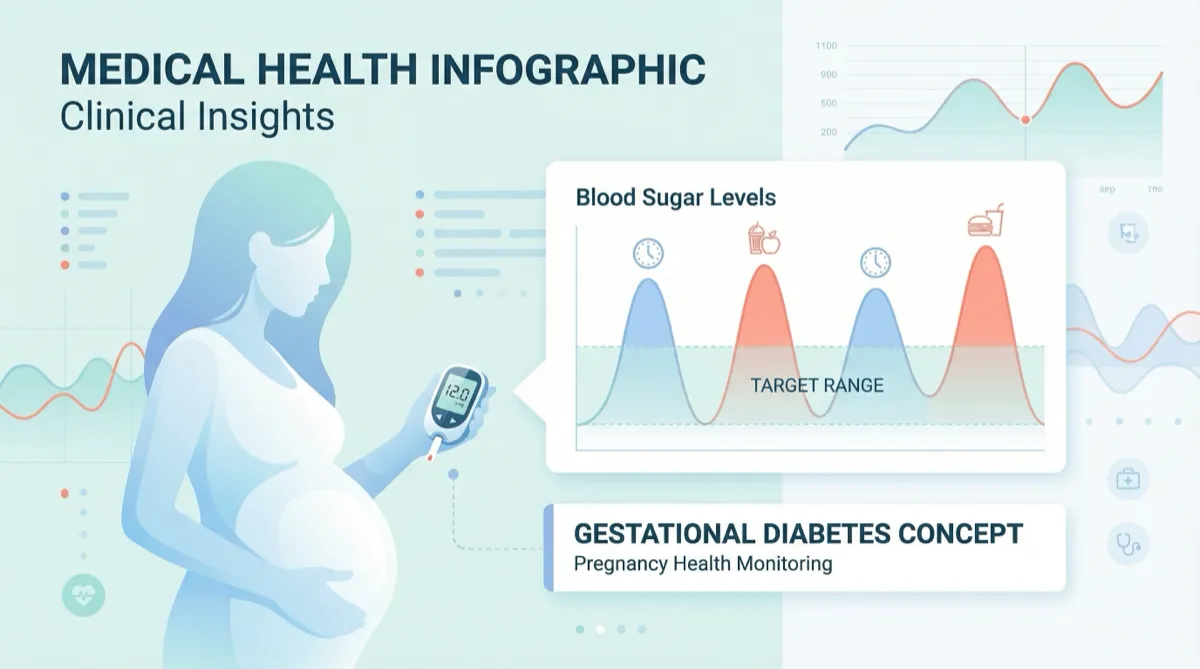
Gestational diabetes statistics: prevalence, risks, and what the data says about long-term outcomes
Gestational diabetes affects 2% to 10% of U.S. pregnancies, and about 50% of women who develop it go on to get type 2 diabetes within 10 years. Here is what the latest data tells us about who is affected and why rates keep rising.
Dr. Elena Rostova 13 min read
Cardiovascular
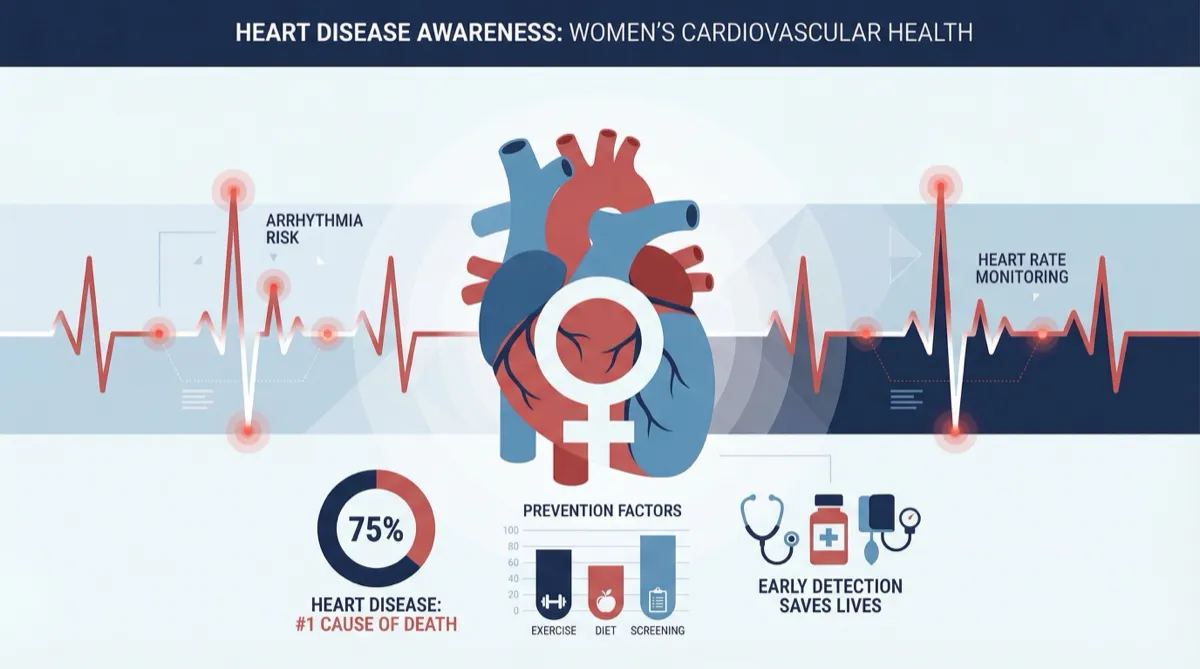
Heart disease in women: statistics, risk factors, and why the gender gap persists
Cardiovascular disease killed 446,912 U.S. women in 2022. Nearly 45% of women over 20 have some form of CVD, yet most still think of heart disease as a men's problem. Here is what the latest data tells us.
Dr. Emily Chen 13 min read
Women's Wellness
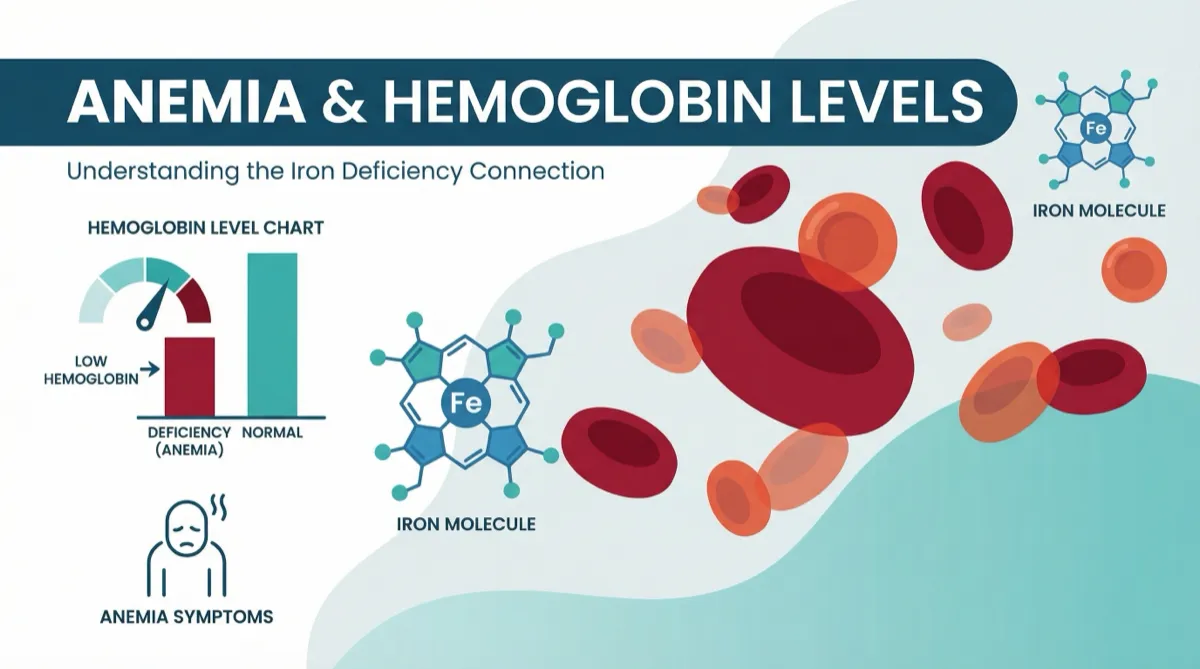
Iron deficiency in women: what the statistics say about the most common nutritional gap
Nearly 30% of reproductive-age women worldwide are anemic, and women are 5x more likely than men to be iron deficient. Here is what the data says about symptoms, thresholds, and why so many cases are missed.

Maya Patel, RD 12 min read
Pregnancy & Maternal
Maternal mortality statistics: why 87% of pregnancy-related deaths are preventable
The CDC found 87% of U.S. pregnancy-related deaths are preventable. With 908 deaths in 2021 and Black women dying at 3x the rate, here is what the data reveals about maternal mortality and what must change.
Dr. Emily Chen 13 min read
Women's Wellness
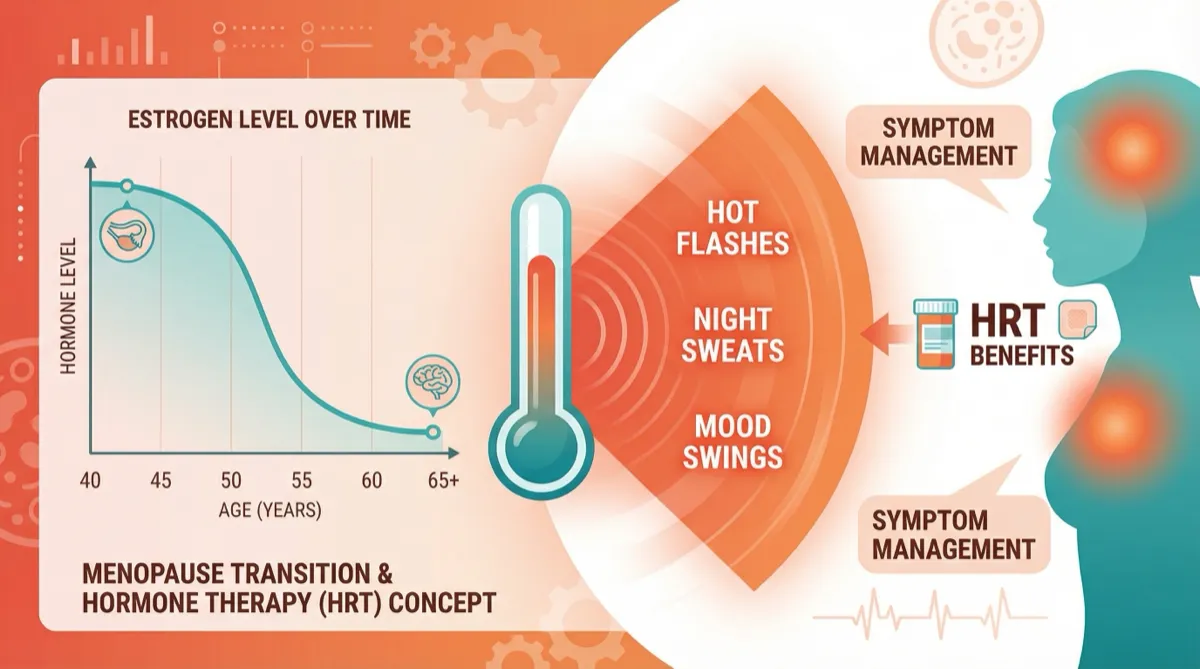
Menopause and hormone therapy statistics: what the data says about HRT in 2026
About 1.3 million U.S. women enter menopause each year, but only 4-5% of eligible women use hormone therapy. Here is what the WHI study actually found, what has changed since, and why the treatment gap persists.
Dr. Sarah Jenkins 14 min read
Bone Health
Osteoporosis in women: the bone health statistics that matter after 50
80% of osteoporosis patients are women, and 1 in 2 women over 50 will break a bone due to bone loss. Here is what the data says about bone density, fracture risk, prevention, and the $19 billion annual cost of osteoporotic fractures.
Maya Patel, RD 13 min read
PCOS & Hormonal
PCOS statistics: prevalence, diagnosis rates, and the cost of being overlooked
PCOS affects 6-12% of U.S. women, but up to 70% remain undiagnosed. Here is what the latest data shows about prevalence, healthcare costs, metabolic risks, and the research funding gap for the most common hormonal disorder in women.
Dr. Elena Rostova 13 min read
Mental Health
Postpartum depression statistics: the maternal mental health crisis in numbers
1 in 7 new mothers develops postpartum depression, and roughly half go undiagnosed. Here is what the latest data on prevalence, maternal suicide, treatment gaps, and the first oral medication tells us.
Dr. Sarah Jenkins 13 min read
Pregnancy & Maternal
Preeclampsia statistics: risks, racial disparities, and what the screening data shows
Preeclampsia affects 2-8% of pregnancies globally and is a leading cause of maternal death. Black women face 60% higher risk. Here is what the data says about screening, aspirin prophylaxis, and long-term cardiovascular consequences.
Dr. Sarah Jenkins 14 min read
Sexual Health
STI statistics for women: what the CDC data actually shows
Chlamydia alone accounts for 1.8 million reported cases per year, and women bear disproportionate long-term consequences including PID and infertility. Here is what the latest CDC surveillance data tells us.
Dr. Sarah Jenkins 13 min read

Women's Wellness
Sleep disorders in women: why insomnia hits harder and what the data shows
Women are 40% more likely to have insomnia than men, and the risk spikes during pregnancy and menopause. Here is what the research says about hormones, sleep apnea underdiagnosis, and the real cost of lost sleep.
Maya Patel, RD 12 min read
Chronic Conditions
Thyroid disorders in women: what the statistics tell us about diagnosis and missed cases
Women are 5 to 8 times more likely than men to have thyroid disease, and 60% of those affected don't know it. Here is what the data says about prevalence, Hashimoto's, the fertility connection, and why so many cases go undiagnosed.
Dr. Emily Chen 13 min read
Women's Wellness
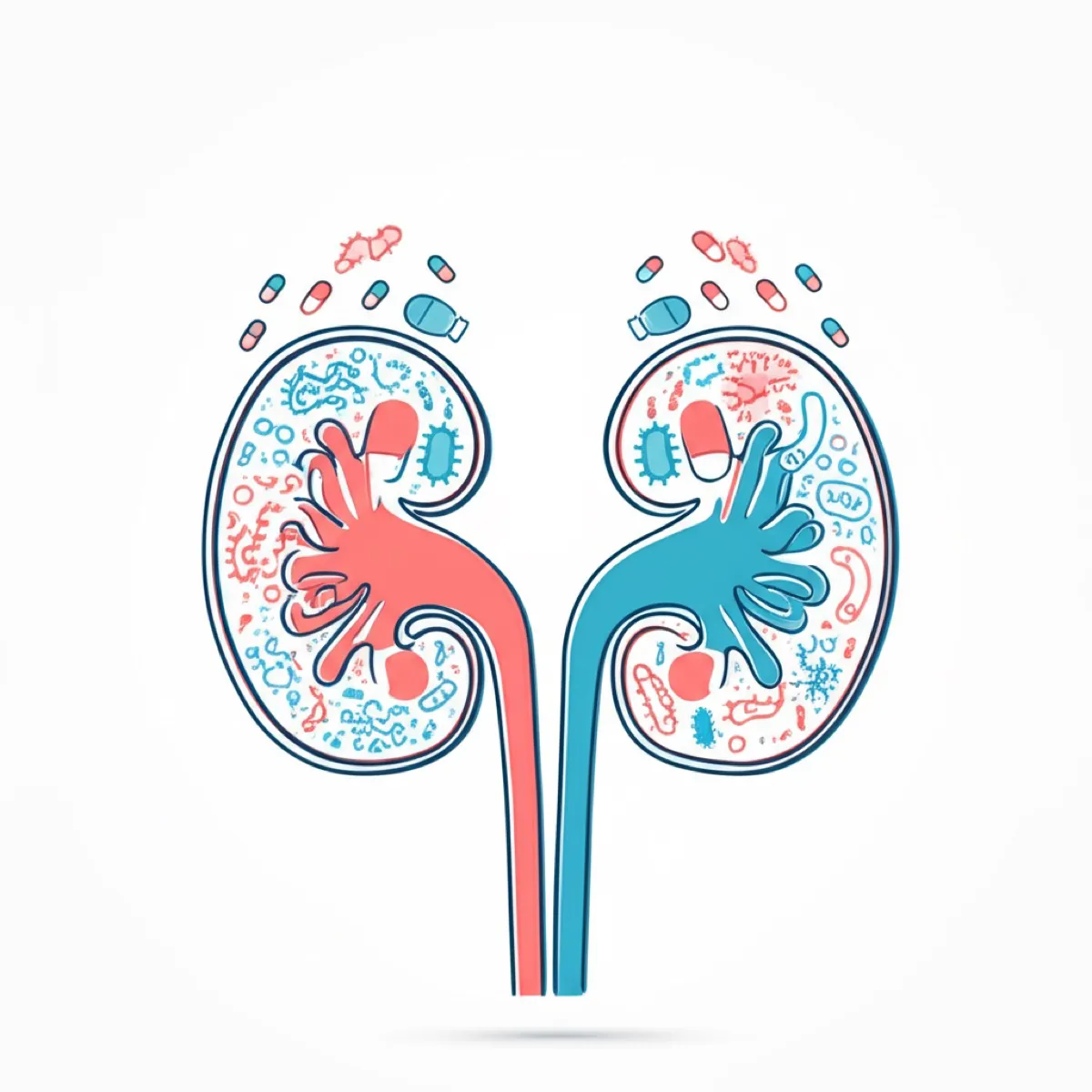
UTI statistics in women: recurrence rates, risk factors, and what actually works for prevention
50-60% of women will get at least one UTI in their lifetime, and 27% will have a recurrence within 6 months. Here is what the data says about causes, antibiotic resistance, and evidence-based prevention.
Dr. Sarah Jenkins 12 min read
Women's Wellness
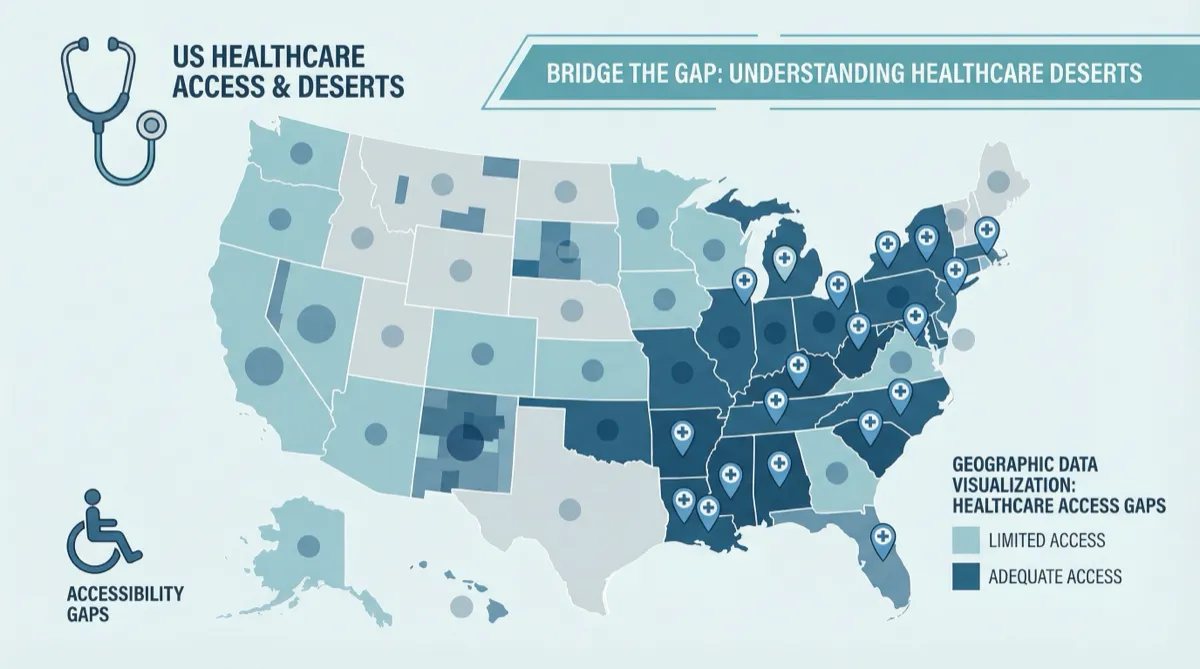
Women's healthcare access statistics: who falls through the gaps
36% of U.S. counties have no hospital obstetric services. Here is what the data says about insurance gaps, maternity care deserts, and the cost barriers keeping millions of women from basic care.
Dr. Emily Chen 13 min read

Mental Health
Women's mental health statistics: the anxiety and depression data we should be talking about
Women are twice as likely as men to experience depression, and 56% of women with depression globally go untreated. Here is what the latest WHO, NIMH, and pandemic-era data tells us about anxiety, depression, and the treatment gap.
Dr. Emily Chen 13 min read

Menstrual Health
Implantation bleeding vs period: how to tell the difference and when to worry
About 25% of pregnant women experience implantation bleeding, but telling it apart from an early period can be difficult. Here is what the clinical evidence says about timing, color, duration, and the warning signs that require medical attention.
Dr. Sarah Jenkins 13 min read

Menstrual Health
Why is my period late? 12 reasons beyond pregnancy, backed by clinical evidence
A late period causes immediate anxiety, but pregnancy is only one explanation. Stress, thyroid disorders, PCOS, weight changes, and several other factors disrupt the menstrual cycle. Here is what the data says about each cause, how common it is, and when delayed periods require medical evaluation.
Dr. Elena Rostova 15 min read

PCOS & Hormonal
The complete PCOS diet guide: what the evidence actually says about food, insulin, and hormones
Up to 70% of women with PCOS have insulin resistance, and dietary changes are a first-line treatment. Here is what the research shows about low-glycemic eating, anti-inflammatory diets, specific nutrients, and the meal patterns that improve symptoms, plus what has been overhyped.
Maya Patel, RD 14 min read

Menopause & Perimenopause
Perimenopause symptoms: what the research says about the transition to menopause
Perimenopause lasts 4 to 8 years on average, begins in the mid-40s, and produces symptoms that go far beyond hot flashes. Here is what the clinical data shows about symptom prevalence, when to expect what, and which management strategies have evidence behind them.
Dr. Sarah Jenkins 15 min read

Fertility
Ovulation symptoms: the clinical signs of fertility and how to track them accurately
Ovulation lasts only 12 to 24 hours, but the fertile window spans about 6 days. Cervical mucus changes, basal body temperature shifts, and ovulation pain are the most evidence-backed signs. Here is what the research says about each one, how reliable they are, and how to use them whether you are trying to conceive or avoid pregnancy.
Dr. Elena Rostova 14 min read

Infections & STIs
Yeast infection symptoms, treatment, and prevention: what the evidence says
75% of women will have at least one yeast infection in their lifetime, and 40-45% will have two or more. Here is what the clinical data shows about symptoms, the most effective treatments, why recurrence happens, and which prevention strategies actually work.
Dr. Sarah Jenkins 14 min read
Evidence in your inbox.
Join 250,000+ women receiving our weekly breakdown of new research, policy changes, and health tools.